
ENERGY TECH DAY 2026: Romania Committed to a Balanced and Competitive Energy Mix

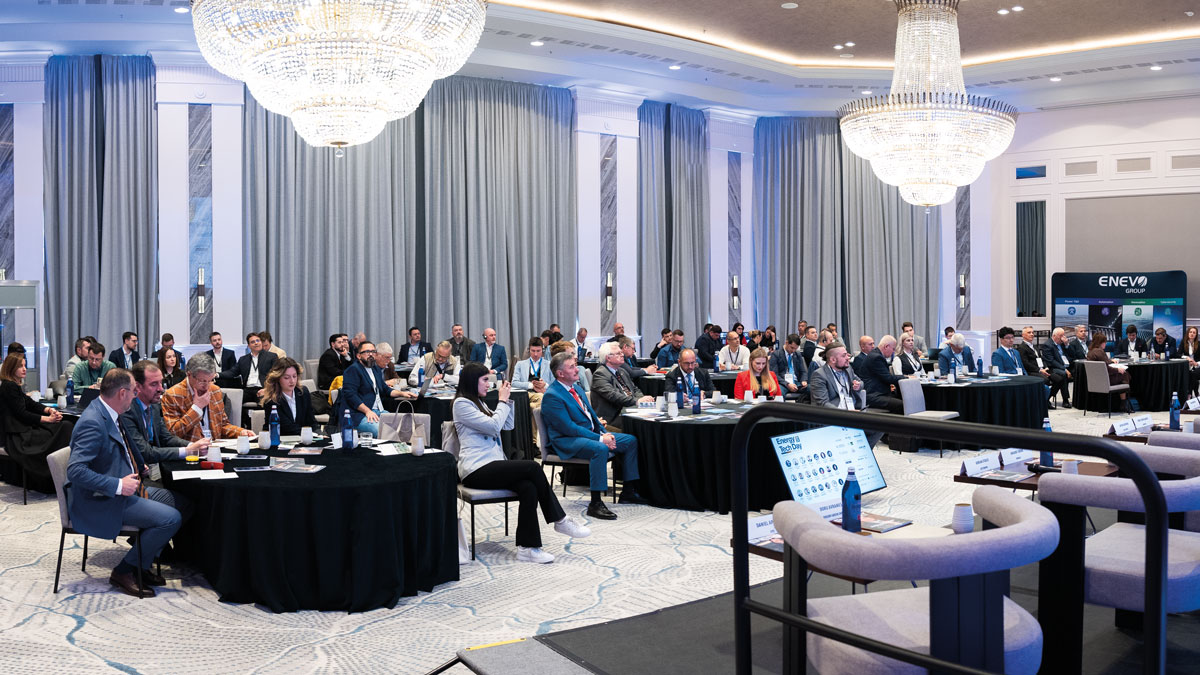
The 7th edition of the Energy Tech Day – Romania Committed to a Balanced and Competitive Energy Mix kicked off, highlighting key strategies, modern technologies and viable policies aimed at increasing the share of clean energy, utilizing transition fuels and upgrading the energy infrastructure.
Romania continues its transition to cleaner energy. A balanced and competitive low-carbon energy mix involves the use of natural gas alongside an increase in the share of renewable sources. This approach aims to gradually replace higher-emission fossil fuels, such as coal, while ensuring the stability of energy supplies through natural gas to offset the variability of renewable energy production. A balanced and competitive energy mix includes a mix of energy sources, such as nuclear power, natural gas and renewable sources. The goal is to reduce dependence on a single source and enhance the resilience of the energy system.
Seizing opportunities amid the crisis
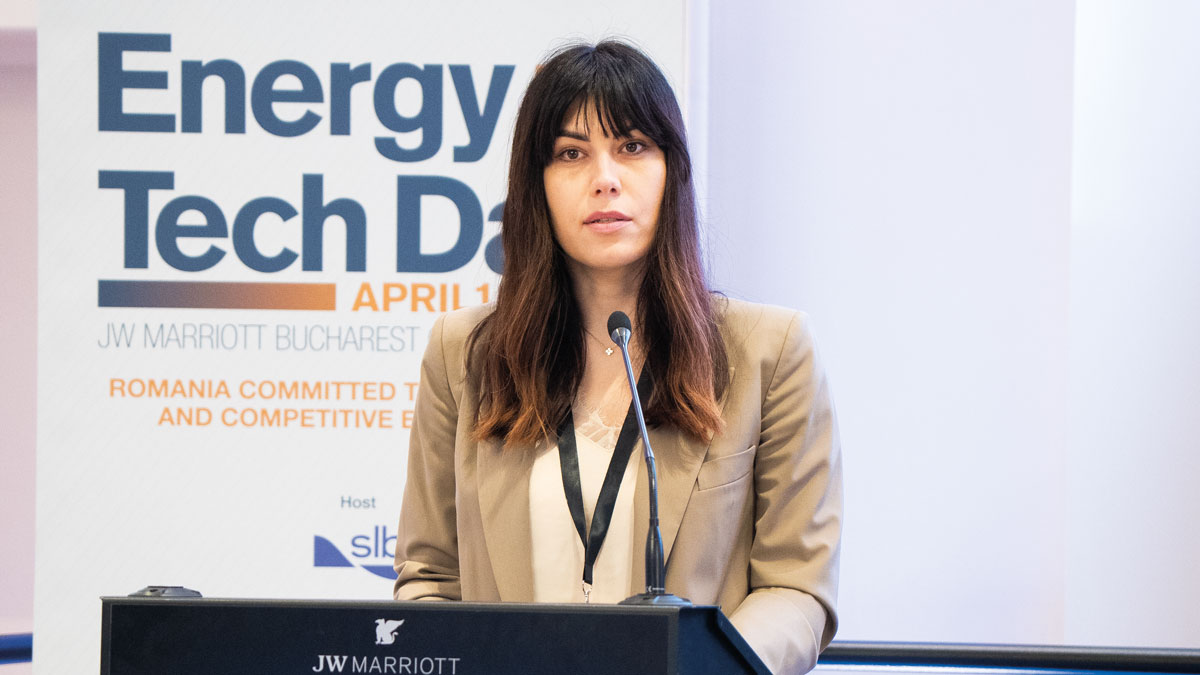
In her opening remarks, Cristina Pruna – Vice-President, the COMMITTEE FOR INDUSTRIES AND SERVICE, highlighted the main directions for the development of the energy sector, strategic projects with regional impact and the role of a diversified energy mix in balancing competitiveness and decarbonization of the industry. Given the situation in the Middle East, the heightened volatility of energy markets and the fragility of supply chains, Romania needs a firmly adapted response. Dependence on hydrocarbons is no longer just an environmental issue; it requires public policies, clear rules, and predictability in the energy sector, the official noted. She also stressed the importance of seizing opportunities amid the crisis. Romania holds a strategic position within the European Union in terms of natural gas production, and the smart utilization of gas in the chemical and petrochemical industries can help create a new industry that will generate added value. Furthermore, nuclear energy, supported by the new funds allocated by the European Commission for research and innovation in this field, facilitates the transition to carbon neutrality by 2050.
Embedding Sustainability into Strategies: A low-carbon Future in Oil and Gas
Building on a century-long tradition of innovation, SLB develops technologies that make oilfield operations cleaner, more efficient and resilient. As a global leader in oilfield services and a global technology company focused on energy innovation, SLB has a bold vision for a decarbonized energy future. It specializes in reservoir characterization, drilling, production and processing, prioritizing decarbonization, CCUS and new energy systems to meet net-zero goals. Ryan Morrison – Head of New Energy Europe, SLB, highlighted in his presentation the real impact of carbon capture and storage (CCS) projects, which are recognized as a vital tool in addressing global greenhouse gas emissions and tackling climate change. Resilience, supply security and industrial competitiveness cannot be separated from climate policy, as he mentioned.
Transition to renewable gas solutions, such as biomethane, represents a new strategic direction for Romania, contributing not only to energy security but also to decarbonization. With a technical potential of up to 5.5bcm per year by 2040, Romania ranks fourth in the EU in terms of biogas and biomethane production potential. Anton Assfoura – Green Energy Project Manager, BSOG ENERGY, highlighted the economic benefits of biomethane in supporting cost-effective decarbonization and facilitating the conversion of waste into energy and biofertilizers, with a major impact on the circular economy. Biomethane industry will drive rural jobs, stimulate agricultural circular economy and support sustainable waste management. Moreover, biomethane is fully compatible with the existing natural gas grid, appliances and industrial processes, making it easy to integrate. BSOG covers the entire biomethane value chain, from long-term sourcing feedstock to gas offtakers, ensuring risk minimization and project viability. With five biomethane projects totalling at least 20 MW of installed capacity—accounting for 26.7% of Romania’s biomethane production target by 2030—BSOG Energy is committed to ensuring that biomethane accounts for at least 5% of the national gas grid.
Grigore Tarsac – Director Tg. Mures Branch, ROMGAZ, explained an apparent paradox: two seemingly divergent paths converge toward the same goal—zero emissions. Romania’s largest producer and main supplier of natural gas is pursuing a two-pronged strategy designed to strengthen the country’s energy security by increasing natural gas production while simultaneously accelerating the transition to a low-carbon future, with the goal of achieving net-zero emissions by 2050. Romgaz’s Decarbonization Strategy 2025-2050 aims to reduce emissions, develop green energy (solar, wind), explore hydrogen and biomethane, and capture and store CO₂ (CCS), through significant investments in cutting-edge technologies – CAPEX of €2.758 billion by 2050. Romgaz believes that the Net Zero scenario should be viewed as an aspirational but conditional direction, with benchmarks that will be periodically reassessed based on technological progress, the availability of funding sources, and regulatory clarity. The success of implementing this scenario will depend on continuous innovation, a supportive legislative and regulatory framework and strategic partnerships between industry and authorities.
Driving low‑carbon operations through human expertise and technology was the topic of the presentation made by Adrian Staicu – General Manager, DIETSMANN. Founded in 1977, Dietsmann focuses on maintaining production assets, optimizing performance and providing technical services designed to improve safety and efficiency. The company specializes in the operation, maintenance, and inspection of oil and gas facilities, conventional power plants and nuclear power plants. Its philosophy, Technology–Human Balance, is applied through robotics in inspections in hazardous environments, decision-making and planning processes, preventive maintenance and ensuring operational continuity, as well as in continuous training and skill growth. This results in optimized performance, with a significant impact on operations, while also ensuring sustainability and safety. Dietsmann therefore combines advanced predictive maintenance technologies with human expertise to maximize the uptime, safety, and efficiency of industrial production assets.
Transforming a traditional fossil fuel processing plant into a sustainable, integrated facility that converts biomass and waste into high-value chemicals, fuels, and materials is an ambitious vision proposed by Doru Avramescu – CEO, ROSERV GREEN ENERGY. The transition of RAFO Onesti to green energy is possible due to the scale, location, and well-maintained infrastructure of RAFO, which make it ideally suited to accommodate multiple low-carbon technologies simultaneously. The ambition is to create an integrated industrial ecosystem—not merely a one-off retrofit—positioning the site for diversified, resilient growth. The regional impact of this project includes a range of economic, environmental and social benefits: capital investments are modernizing the industrial platform, stimulating local supply chains, and revitalizing the former RAFO Onesti refinery site, thereby contributing to the improvement of local economic activity. The project reduces fossil fuel imports, helps meet EU requirements, and diversifies supply chains through fuels, electricity, and by-products, thereby reinforcing its strategic relevance beyond financial returns alone. Last but not least, this project positions Onesti among the leading centres in Central and Eastern Europe that combine solar energy production, energy storage, and the use of renewable hydrogen.
The pace of the transition to a low-carbon future was addressed by Daniel Apostol – Director General, ENERGY EMPLOYERS’ FEDERATION, who provided a detailed analysis of the risks associated with the forced acceleration of the transition to renewable energy sources. In his view, the energy transition is a marathon of endurance on rough terrain. For this process to succeed, the technology must be accessible, costs must fall as solutions improve, and legislation must be quickly adapted to developments in the energy sector so that a solid and sustainable foundation can be built. Speed isn’t a good thing if the industry is forced to spend money on projects that aren’t economically justified. We must not confuse speed with progress, Daniel Apostol concluded.
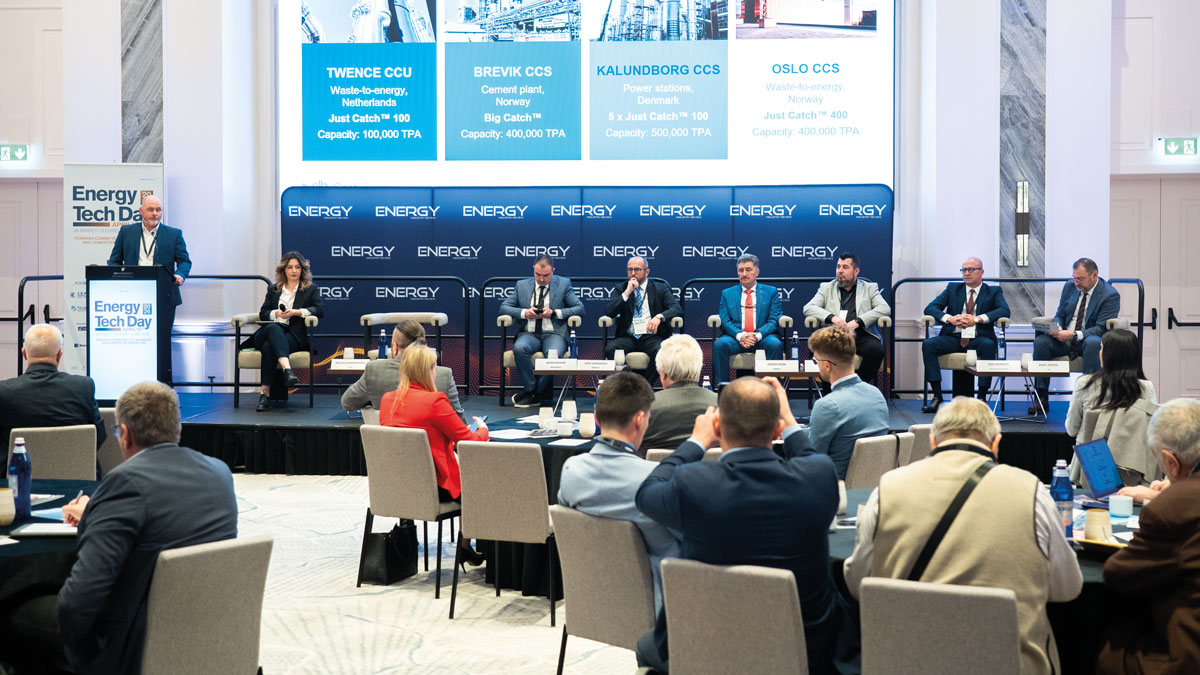
The first session of the conference was concluded by Ionut Sorin Banciu – Vice President, NATIONAL REGULATORY AUTHORITY FOR MINING, PETROLEUM AND GEOLOGICAL STORAGE OF CARBON DIOXIDE (NRAMPGS), who presented to the audience the key strategic opportunities for the oil and gas industry in the context of the energy transition. In terms of CO₂ injection capacity targets for 2030, Romania ranks second in the EU, underscoring the country’s essential role in the European Union’s decarbonization strategy. Our country accounts for 20.50% of the EU’s CO₂ storage target of 50 Mtpa by 2030, with OMV Petrom, Romgaz, and Black Sea Oil & Gas being the entities responsible for meeting this target. According to the EUGeoCapacity project (2009), the estimated technical capacity for geological storage is 18.6 Gt in saline aquifers and 4.0 Gt in depleted hydrocarbon reservoirs (oil and gas fields), so that the huge potential of the oil and gas industry can be transformed into potential for carbon capture and storage (CCS). Yet, this potential needs to be confirmed by increasing the level of geological and technical knowledge. Further investigations and studies are also needed to characterize the structures and validate their actual storage capacity. Key lessons learned from other countries’ experiences show that success depends on coordinated value chains, not on isolated projects. Their integrated approach combines policy stability, technological innovation, and cross-border collaboration, providing a blueprint for Romania to follow, Ionut Sorin Banciu noted.
From a Fossil Fuel-based to an Electricity-based and Decarbonized Economy
REDFlex is a pilot project carried out by Delgaz Grid with the aim of testing and validating energy flexibility mechanisms in the electricity distribution network, as part of the transition toward a smarter, distributed, and sustainable energy system. Transelectrica is a strategic partner in the project. Radu Racasan – Head of Network Digital Services, DELGAZ GRID, focused on the most important benefits, which include: ensuring the stability of the power grid in the face of sudden fluctuations in demand or supply; efficient integration of energy from renewable sources; reducing the need for massive infrastructure investments by optimizing existing consumption; and energy transition toward a cleaner, decentralized, and participatory system. The project allows consumers, prosumers and renewable energy producers to contribute to balancing the grid by adjusting consumption or production.
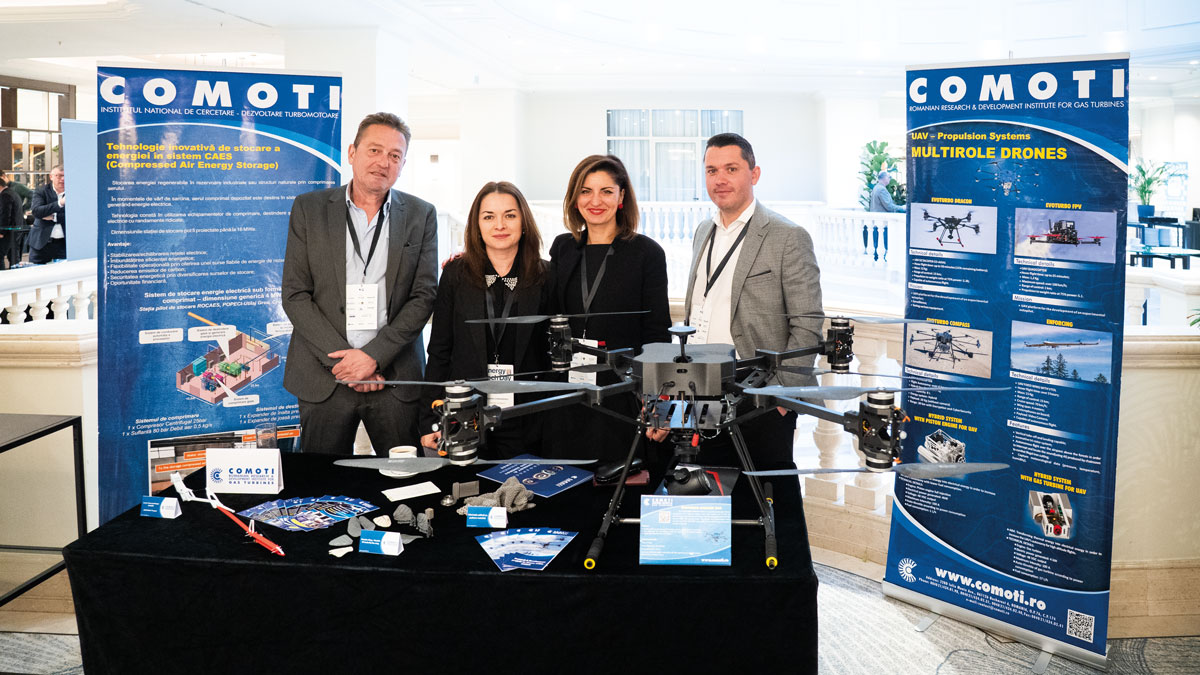
INCDT COMOTI contributed, as always, with innovative sustainable solutions combining advanced turbomachinery engineering with ecological responsibility. COMOTI (Romanian Research and Development Institute for Gas Turbines) is the only unit in Romania specialized in the full technological chain for turbomachinery, covering research, design, manufacturing, testing, and service for aviation, industrial energy, and space applications. Its contribution to the energy sector was highlighted by Florina Ciulei – Marketing Representative, who presented the company’s ongoing and upcoming projects. Besides key capabilities in specific domains such as aviation and gas turbines, energy and industrial applications, space equipment, unmanned aerial vehicles, testing and metrology, environment and acoustics, she introduced the Morpho Project and the Argonaut Program. The Morpho Project develops a hybrid flight system inspired by nature, combining a large, slow-spinning rotor with flexible, butterfly-like flapping wings. This design helps aircraft fly in Mars’ very thin atmosphere by improving lift, thrust, and stability through coordinated wing movements. The Argonaut program, an ESA project, is designed to deliver cargo, infrastructure, scientific equipment and supplies for astronauts. As main contractor, COMOTI will work together with Initium Space on the development of a payload offloading system – LOADER (Lifting and Offloading Add-on Device for EL3/Argonaut Resources), for ESA Argonaut lunar lander.
Chemization of electrons, correlated with electrosynthesis and chemical energy storage processes, plays an important role in the transition to renewable energy. The process allows the transformation of green electricity (solar, wind) into stable chemical bonds. This approach solves the problem of intermittency of renewable sources by converting excess electrons into fuels or chemical feedstocks. The company, a 50/50 joint venture between OMV Petrom and Renovatio, has transitioned from a traditional chemical and thermal industrial site to a modern renewable energy hub, with a strategic focus on wind and solar power projects. In his presentation, Ionut Ciubotaru – CEO, ELECTROCENTRALE BORZESTI, addressed the topic of electron chemization in methane splitting – a cutting-edge technology that is moving from the laboratory to industrial-scale production with the help of innovators such as Hycamite. This CO₂-free technology serves as a bridge from fossil fuels to renewable energies, contributing to a more sustainable future.
As Romania seeks to consolidate its position as a producer of safe and low-carbon energy, negotiations are currently underway regarding the possibility of obtaining historic financing from the World Bank for nuclear energy projects, marking a world first in the bank’s lending policy. Nuclear energy is an essential pillar in decarbonization, providing constant, carbon-free electricity, vital to achieving climate neutrality by 2050. Dragos Roibu – CEO, NUCLEARELECTRICA SERV, drew attention to the fact that decarbonization has become an imperative necessity, a true matter of survival for both companies and the national economy, not just an environmental objective. He also insisted on the importance of the energy mix in order to decarbonize the sector, emphasizing Romania’s advantage of having one of the most balanced and diversified energy mixes in the European Union. Dragos Roibu believes that nuclear technologies are part of the future of advanced energy and will, in the medium term, become part of the solution for energy security, decarbonization, reliability, and energy flexibility.
Last but not least, smart insurance for a sustainable future was brought up for discussion. This involves integrating Environmental, Social, and Governance (ESG) criteria into core insurance practices—underwriting, risk management, and investments—to mitigate climate change, social inequality, and systemic risks. According to Alexandra Durbaca – CEO, LEADER TEAM INSURANCE BROKER, energy transition is not a technology challenge. It is a risk challenge because transforming energy systems is not just about building new infrastructure — it’s about making it bankable, sustainable, and protected. The transformative shift to renewables requires structured mechanisms to manage, transfer, or mitigate the inherent risks of new technologies and large-scale capital deployment. As Alexandra Durbaca said, no energy transition happens without risk transfer, no investment happens without protection. This is why insurance is no longer a back-office function but becomes part of the core architecture of the energy system. Recognized as an innovative broker, Leader Team Insurance Broker emphasizes digital transformation, using AI and Robotic Process Automation to tailor insurance solutions for both corporate and individual clients across Europe.
Trends, Tech-driven Solutions, Policy and Investment Frameworks, Financing Sustainable Energy Projects
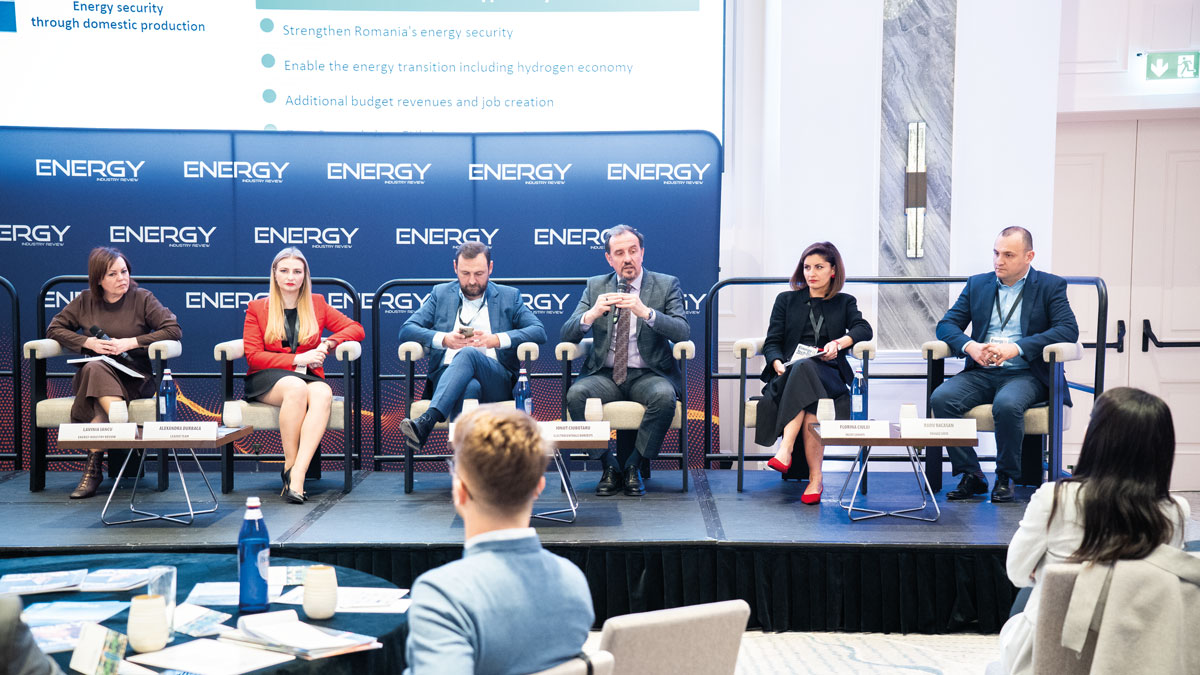
In the context of real challenges currently faced by the energy sector, Silvia Vlasceanu – Executive Director, HENRO, suggested that we focus our attention on the things that are working. However, the expert drew attention to the need to adopt technological solutions and not only, including accelerating the integration of renewable energy, modernizing energy infrastructure, increasing storage capacity, updating the legislative framework, financial support mechanisms, simplifying bureaucratic procedures – which will contribute to the proper functioning of the sector. Finally, Silvia Vlasceanu addressed the issue of training young professionals in the field, an essential pillar for the future of the energy system, focused on the transition to sustainable energy sources.
For his part, Laurentiu Urluescu – President, ROMANIAN ENERGY SUPPLIERS’ ASSOCIATION, highlighted the current challenges facing the energy market, particularly energy suppliers, while also pointing out the main difficulties encountered in concluding PPA and FPA contracts. One of the main structural challenges highlighted—the decline in energy consumption in Romania—serves as a wake-up call, pointing to economic and industrial obstacles. There was also discussion regarding the requirement to install storage capacity for prosumers in order to reduce the strain on the power grid. The conclusions emphasized the need for a predictable and functional framework, which is essential for the sustainable development of the market and for supporting long-term investment in the energy sector.
Alina Arsani – Head of Energy Systems, ENERGY POLICY GROUP (an independent non-profit think-tank specializing in energy and climate policy within Romania and the EU), discussed topics addressed by her organization: developments in the energy sector, forecasts, modelling results with and without ETS2, including the impact of ETS1, monitoring of energy markets, climate policies, infrastructure and technologies, as well as the think tank’s main programs and projects. Mapping energy zones, for example, aims to facilitate investments in renewable energies, reducing land use conflicts and accelerating the authorization process through precise technical data. Through its work, EPG aims to balance the need to reduce carbon emissions with economic competitiveness and affordability for consumers.
Shaping the future of the energy sector is also a critical concern for FUTURE ENERGY LEADERS ROMANIA, represented at the Energy Tech Day by Olivian Savin – Executive Director. He outlined the main challenges the sector will face in the coming years and shared his views on the energy trilemma in the context of a balanced and sustainable energy mix, as well as on the role of policy and investment frameworks in driving the deployment and scaling of deep decarbonization. An analysis of the energy sector in Romania reveals a historic transformation from a centralized and rigid system based on fossil fuels to a flexible, decentralized, and environmentally friendly model, driven by massive investments in renewable energy sources and storage—a transition that is essential for decarbonization, energy security, and the integration of new capacity. Olivian Savin called for technological solutions and for constructive and open dialogue among all stakeholders with a view to building a sustainable and competitive energy sector.
In her second address, Cristina Pruna – Vice President, INDUSTRIES AND SERVICES COMMITTEE, noted the encouraging evolution of the renewable energy market in Romania, which is going through a significant recovery period, despite the macroeconomic and geopolitical context, being characterized by new investments, large-scale projects, and a more favourable legislative framework. Regarding the expansion of storage capacity, 1,500 MW of storage capacity will be installed by the end of the year under the National Recovery and Resilience Plan (NRRP) and the Modernization Fund, the deputy noted. She also mentioned the offshore wind projects in the Black Sea, with an estimated potential of 76-94 GW and an investment of approximately €19 billion by 2035—a strategic priority for Romania, though these projects are currently facing delays. Cristina Pruna advocates for the elimination of double taxation and a reduction in the tax burden, calling for measures such as the elimination of the surcharge for self-employed individuals, a reduction in the VAT rate on energy, and lower taxes on earned income.
The last intervention in the panel belonged to Manuela Trisnevschi – Head of Energy & Utilities, BCR, who ended the conference on an optimistic note. She provided data and figures from the BCR (member of ERSTE Group) portfolio, covering conventional energy as well. BCR, a strategic partner to the energy sector and deeply committed to financing the energy transition in Romania, focuses its financing efforts primarily on projects in the fields of renewable energy (solar and wind), energy efficiency, and green infrastructure, in accordance with ESG standards. BCR plays a key role in securing European and national grants, providing the necessary complementary funding for their implementation. It is worth noting that, in 2026, BCR, together with the EIB and the EBRD, is financing a major 190-MW solar energy project, for which BCR has provided €42.5 million in financing (including a long-term financing component of €17.3 million).
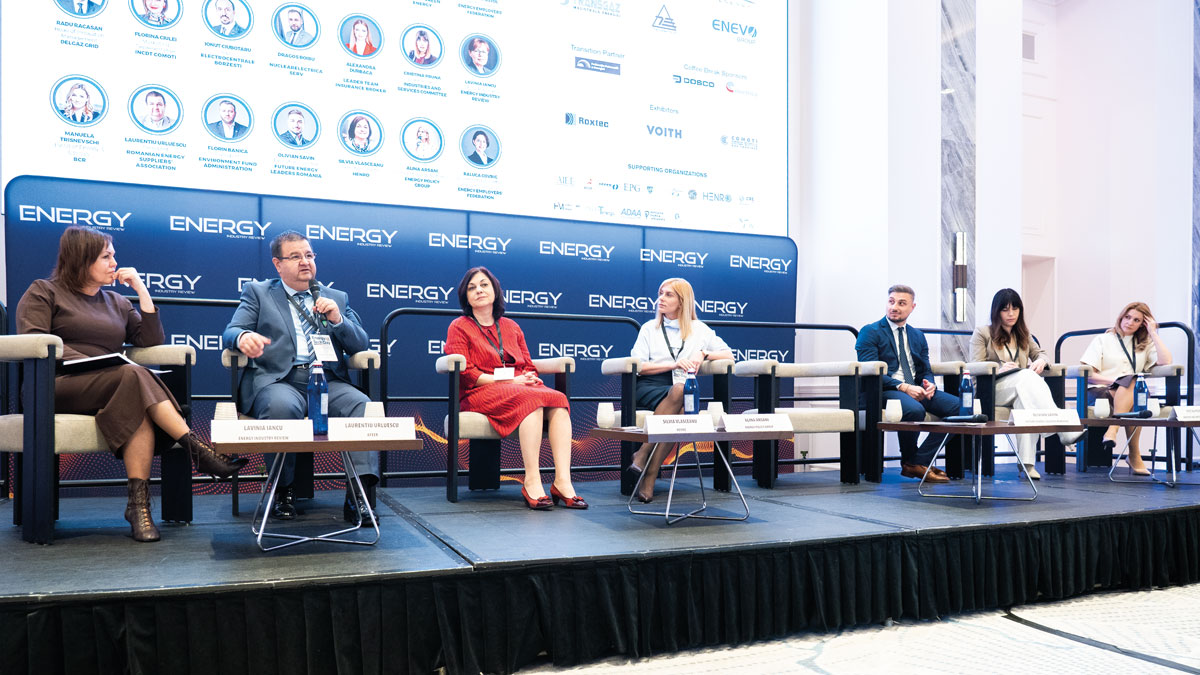
The key takeaways from the Energy Tech Day 2026, which will also shape the priorities for the Romanian energy sector in 2026 and beyond, are:
- Romania should take advantage of its balanced and diversified energy mix.
- Dependence on hydrocarbons is no longer just an environmental issue; it requires public policies, clear rules, and predictability.
- Resilience, supply security and industrial competitiveness cannot be separated from climate policy.
- Romania needs to rapidly accelerate energy storage deployment to support its growing renewable energy sector.
- Transition to clean energy is no longer an ambition, it is a structural necessity.
- Carbon capture and storage (CCS), biomethane and the transformation of oil & gas infrastructure into an integrated energy hub are critical for the energy transition.
- Striking a balance between energy security and technological leadership is vital for the transition to sustainable energy, while ensuring reliability, affordability, and resilience against physical and cyber threats.
- It is important for policymakers, energy sector leaders, experts from public authorities, companies and representatives of civil society to come together around the same table.