
Andrada Moldovan, CEO of Parapet: How to Build Trust and Good Working Partnerships
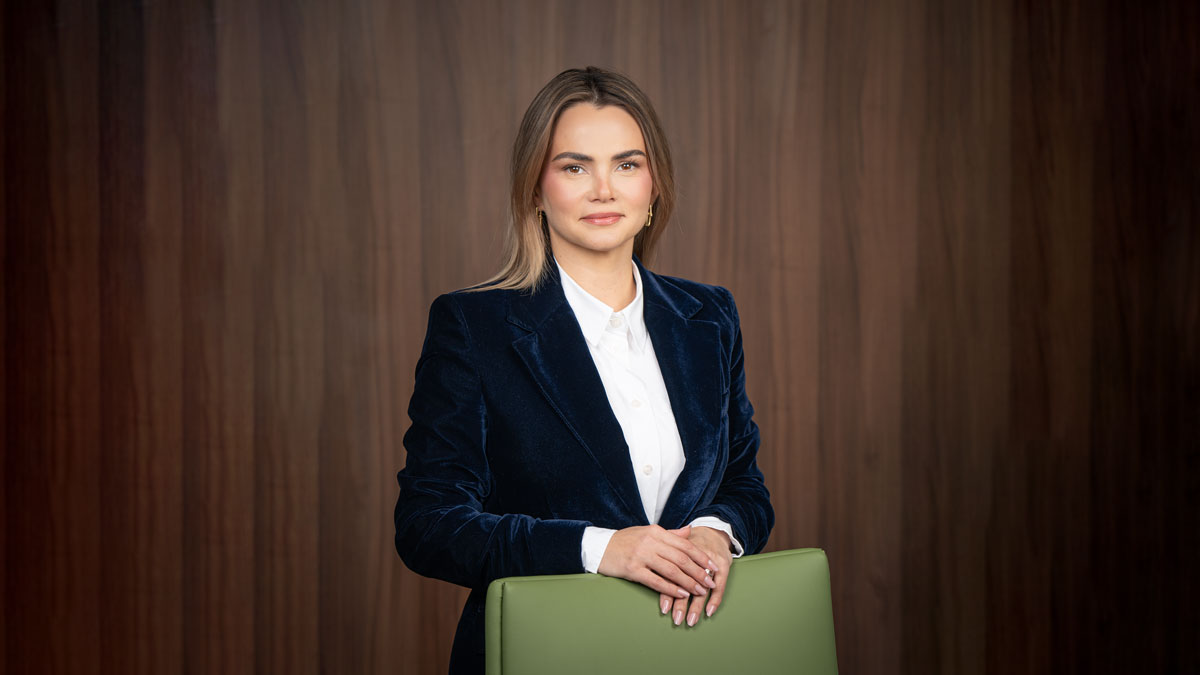
Andrada Moldovan, CEO of Parapet, discusses the transformation of the EPC model at the national and international levels, strategic directions and targets for 2026, and the company’s role in the future of the energy sector.
Parapet, a Romanian company founded in 2012, operates mainly in the field of renewable energy, offering complete EPC (Engineering, Procurement, Construction) solutions for photovoltaic, wind, and hybrid parks, from design to maintenance, covering both civil/electrical construction and installation services.
Andrada Moldovan is the CEO of Parapet and has over 12 years of business experience. Before leading Parapet, one of Romania’s largest EPCs, she worked in the banking system and in entrepreneurship. A graduate of Finance and Banking from Babes-Bolyai University, Faculty of Economics and Business Administration, Andrada Moldovan has gained a solid perspective on finance, strategy, and organizational development.
Dear Andrada Moldovan, after more than 12 years in business, what advantages do you think your experience in the financial sector brings to effective management?
Andrada Moldovan: The experience gained in the financial sector, coupled with a rigorous and disciplined approach, has helped us navigate the business without any major financial incidents. The skills acquired in college have translated into sound and prudent financial policies, which have enabled us to achieve results in line with our plans and avoid harmful contracts or business relationships. I believe that it was very important that all our external collaborations were always managed transparently, which, over time, helped us build solid and lasting partnerships with both customers and suppliers.
I would also mention one aspect that I consider extremely important, resulting from this experience: the company’s bankability. We are currently in a position where financial institutions are actively approaching us with proposals for collaboration, which confirms the soundness and credibility of our management model.
In short, what is Parapet’s track record at the moment—figures, data, completed projects, or projects nearing completion?
Andrada Moldovan: We represent an EPC contractor for photovoltaic, wind, and BESS projects, offering fully integrated engineering, procurement, and construction services, backed by proven experience in the construction of large-scale renewable power plants in Europe. Since its establishment in 2012, the company has contributed to the installation of over 2 GWp of clean energy in 15 European countries through EPC, BoP, and BoS services covering civil engineering, electrical construction, and installation. We have built up a portfolio of over 450 renewable projects, offering complete solutions: from design to construction, project management, maintenance, and repowering. That is to answer your question briefly.
But Parapet is not just about the figures above. It’s about people. It is the intense and beautiful business story of ambitious engineers and economists from Cluj who, more than a decade ago, understood the opportunity and need for change in the energy sector and bet on GREEN. Paul Moldovan, the company’s founder, together with a team of six people, a small fleet of machinery, and vast expertise in construction, installed the first MW in Hoghiz, Brasov County. From there, things evolved rapidly, with Parapet building turnkey photovoltaic parks or parks at various stages of development throughout Europe since 2014.
Internationally, the evolution was natural: against the backdrop of growing demand in Germany, the most competitive market in the renewable sector in Europe, the company opened Parapet GmbH, a firm based in Nuremberg, in 2022. Then, in 2025, we opened Parapet SRL in Italy. During this time, the number and scale of contracts concluded has increased: we have gone from installing tens of kWh in photovoltaics to tens or even hundreds of MW in PV, wind, and BESS. We have built photovoltaic power plants on the sites of water reservoirs in major European capitals (Vienna Water), agriPV parks, and energy storage systems. In Romania, we are also proud to have been directly involved in the construction of the first hybrid and RePowering projects – the Bestepe park, Solar Electric Frasinet –, and the research project carried out with the National Institute for Research and Development in Isotopic and Molecular Technologies in Cluj.
Obviously, all this was made possible thanks to a team of professionals. From six people in 2012, we are now almost 200. And we’re still growing! Our organizational structure includes internal departments dedicated to each stage of the construction of a photovoltaic park, including seismic evaluation of buildings. And we keep expanding!

To accurately estimate a business’s growth potential, you need to be aware of the company’s market position and market expectations in your field. How is Parapet positioned within the energy sector in the region?
Andrada Moldovan: Parapet is positioned as a fully integrated EPC with “international DNA”, capable of delivering complex renewable energy projects—photovoltaic, wind, and storage capacities—in parallel, both in Central and Eastern Europe and in mature Western European markets. We mainly target investors and developers looking for partners capable of managing large-scale projects, and we differentiate ourselves through a solid combination of skills: advanced engineering, high-standard civil and electrical execution, project management, and the ability to deliver quickly without compromising on compliance with each country’s regulations.
A key element of Parapet’s positioning is the consistency of standards at group level. Basically, what we deliver in Germany or Italy is replicated in all the markets where we operate: the same procedures, the same strict HSE requirements, the same culture of quality and responsibility on site. This allows us to be a credible partner for projects across Europe and to meet the expectations of international investors.
At the same time, Parapet is anchored in the reality of accelerated energy transition. The ability to integrate renewable energy production with storage solutions and flexible infrastructure is becoming essential for the stability of energy systems. From this perspective, our position is not only that of a construction company, but also that of a technical partner contributing directly to the development of the renewable energy market in the region and in Europe.
EXPANDING A ROMANIAN BUSINESS INTO MATURE WESTERN MARKETS
What does growth in mature energy markets such as Germany or Italy entail? What are the challenges and what is the “recipe” for gaining trust and building strong partnerships in these countries?
Andrada Moldovan: Growth in mature markets requires, first and foremost, alignment with the highest standards in the industry. Germany, for example, is a global benchmark in terms of engineering, quality control, occupational health and safety (OHS), technical documentation, project management, and site organization.
The challenges are significant: much stricter regulations than in Romania, detailed testing and validation requirements, high expectations regarding predictability and meeting deadlines, but also direct competition with very well-structured players. At the same time, however, these markets offer a major strategic advantage—access to advanced know-how, which contributes to team training and increases the company’s performance level.
For Parapet, the recipe for success has been local presence, including teams made up of residents of those European countries, solid partnerships, and the consistent application of Western European standards in all projects, including in Romania, where most of our clients are Western investors. Transferring this know-how to the local market is essential both for the development of the Romanian energy sector and for positioning a Romanian company at the highest level in the industry.
The same principles apply in Italy, where knowledge of legislation, local regulations, and business culture is crucial, especially in a context marked by complex bureaucracy. Building long-term relationships with local suppliers and subcontractors is a key factor for development.
To summarize, the recipe for winning customer trust in mature markets is simple but demanding: delivering exactly what has been promised, sticking to agreed budgets and deadlines. The lesson learned over the years is that, regardless of the market, commitment, flexibility, and a consistently solution-oriented attitude are the elements that form the basis of solid and lasting partnerships.
TRANSFORMING THE EPC MODEL AT NATIONAL AND INTERNATIONAL LEVEL
As a provider of integrated EPC services, how do you see this turnkey approach model evolving in the energy sector, locally and internationally?
Andrada Moldovan: The EPC model is rapidly evolving from a classic “design, purchase & build” approach to a long-term partnership, in which the contractor’s responsibility no longer stops at the physical delivery of the project, but includes the performance, bankability, and sustainability of the investment, taking on a large part of the project risks. This requires, in addition to engineering and procurement capabilities, a high level of bank creditworthiness, coupled with strict financial discipline within Parapet.
Internationally, especially in mature markets, turnkey EPC means complete integration: advanced engineering, standardized processes, strict quality control, Health & Safety (OSH) at the highest level, as well as a site organization optimized for speed of execution, without compromising on compliance and quality. There is an increasing emphasis on traceability, testing, digitization and documentation, which are essential for long-term financing and operation.
Locally, the market is maturing rapidly. Clients increasingly demand a single point of responsibility, capable of managing the entire project lifecycle—from concept and authorization, through construction, commissioning and maintenance. At the same time, we are seeing an increase in hybrid projects and network integration requirements, making EPC expertise a strategic differentiator.
For Parapet, transforming the EPC model means transferring know-how from Western European markets to Romania: more sophisticated engineering, clear processes, high quality and OSH standards, efficient site organization and fast but predictable execution. Our objective is to demonstrate that a Romanian company can deliver projects at standards comparable to those of the most demanding international markets.
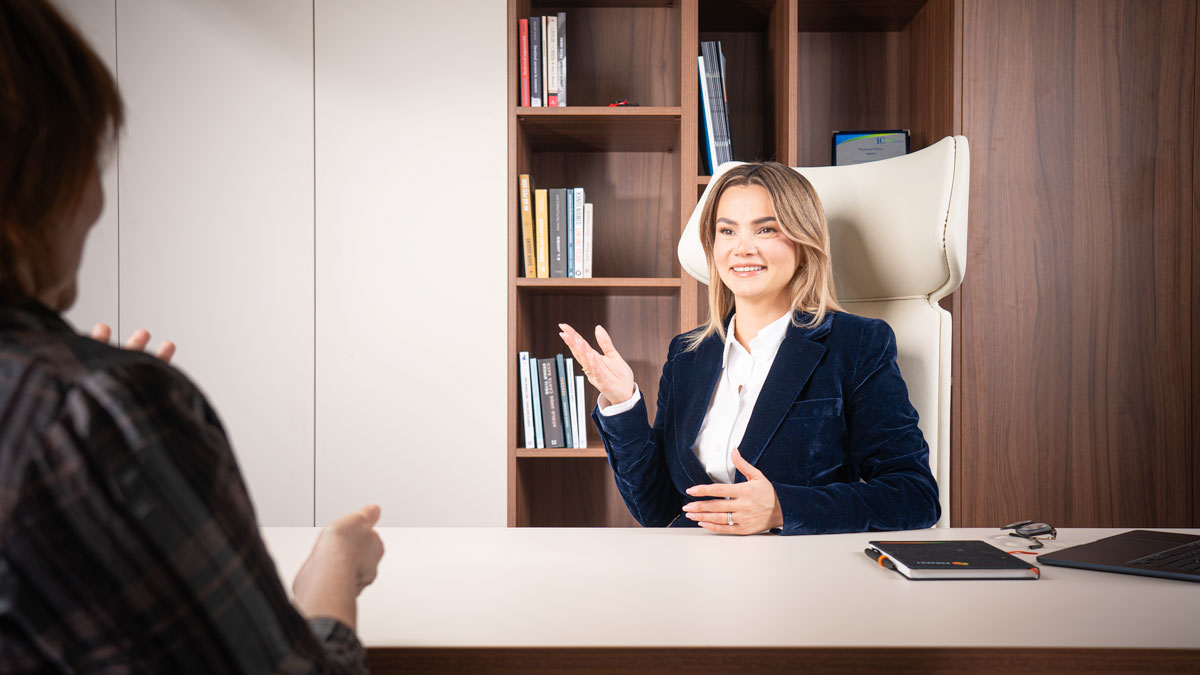
TEAM DEVELOPMENT AND MULTICULTURAL INTEGRATION
In the context of workforce challenges, how is Parapet developing from a human resources perspective? How do you manage the integration of diverse teams—Romanians from different regions, employees from multiple European countries, or even from different continents?
Andrada Moldovan: In a context where labour is one of the industry’s biggest challenges, Parapet’s development has been built on a balance between structure and flexibility: we have a solid internal core that covers critical functions—design, site coordination, execution management, logistics, procurement, support departments (HR, finance, legal), technical control, and OSH. For large volumes of field work, we rely on both local hires, depending on territorial development, and subcontractors.
The integration of diverse teams—Romanians from different regions, colleagues from several European countries, or even from outside Europe—is based on a few simple but firm principles. On the construction site, it doesn’t matter where a person comes from, but that we all work according to the same rules: quality, discipline, safety, and respect for planning. We place great emphasis on clear procedures, well-defined responsibilities and direct communication. In complex projects, lack of structure quickly becomes a risk, especially in multicultural teams. A key role is played by the coordinators who are actually present on site, not just “in the office.” This is where trust is built and where differences in pace, working style and expectations are harmonized. At the same time, mutual respect and cultural integration are essential: we work with different people, but we have to work as one team.
As an employer, Parapet has always been people-oriented, not only by paying its monthly obligations on time, but also by offering training programs and personal development courses. In addition, we pay attention to families—we organize Christmas events, June 1 activities dedicated to children, or trips that involve the whole family, because we know how important this balance is.
We work predominantly with English as a common language, but we are constantly adapting to the realities on the ground. What is important is that critical messages related to OSH, quality, schedule or delivery are clearly understood without ambiguity. For us, a well-integrated team is not uniformity, but coherence and shared responsibility.
We are currently in the midst of a recruitment campaign, with approximately 300 positions available for engineers, construction specialists (carpenters, ironworkers, machinists), and operatives. I enjoy every job interview I witness because I find that most applicants want to be part of large-scale projects, professional growth, and integration into a multicultural team.
2025 BALANCE SHEET, STRATEGIC DIRECTIONS AND TARGETS FOR 2026
For Romania, 2025 stood out as a record year in terms of investments in the energy sector, with over 2,800 new MW commissioned through solar, wind, prosumer, or storage projects. What does Parapet’s 2025 balance sheet look like in terms of growth, projects delivered and targets achieved?
Andrada Moldovan: 2025 was indeed a landmark year for Romania’s energy sector, and for Parapet it confirmed a strategic direction taken years ago. We have been an active part of this wave of investment, contributing to the commissioning of over 250 MW of photovoltaic capacity and energy storage systems on the Romanian market, through projects delivered under EPC, BoS, electrical and mechanical works. At the same time, we continued our international expansion, with approximately 200 MWp installed in Germany and Italy, mature markets with high standards. For us, these results are not a matter of volume per se, but rather of sustainable growth and long-term consolidation of our position.
From a financial perspective, 2025 brought a fourfold increase in turnover compared to 2024, supported by the expansion of the portfolio in Germany and the operational entry into the Italian market through Parapet SRL. This development reflects both the strong demand for renewable energy and our ability to deliver complex projects in parallel across multiple jurisdictions.
Equally important, growth has been accompanied by investment in people, management structures, and advanced technical skills. Because the energy transition is not only about installed MW, but also about solid organizations capable of delivering predictable, responsible and international standards. This is, in fact, the Parapet 2025 balance sheet: accelerated but controlled growth and a solid foundation for the next stage of development.
International Energy Agency forecasts centred on 2026 point to an increase in energy security, suggesting a rebalancing of energy priorities. What are Parapet’s main strategic directions and targets for 2026?
Andrada Moldovan: The IEA’s forecasts confirm a trend that we are already seeing in the market: the energy transition is entering a new phase, in which the security, flexibility, and resilience of systems are becoming just as important as the volume of installed capacity. At European level, renewable energy already accounts for about 50% of the mix and the potential for growth remains significant. However, this growth can no longer be sustained solely by new production capacity, but rather by integrating storage solutions (BESS) that enable the use of photovoltaic and wind energy over extended periods, including outside of production hours.
For Parapet, 2026 means a clear focus on hybrid projects that combine renewable energy production with storage or stand-alone storage capacities. We are also looking at advanced control solutions, and, in the medium term, we aim to integrate emerging technologies, including green hydrogen, where the regulatory framework and project maturity allow.
Security is not only about energy, but also about digital technology. That’s why we attach great importance to cybersecurity, by implementing the NIS2 standard, both at the organizational level and in the architecture of the projects we deliver. In the area of SCADA and control systems, we work exclusively with world-class European suppliers to ensure long-term reliability, compliance and interoperability.
Our objective for 2026 is not just to increase installed MW, but to deliver robust energy solutions aligned with the new security and stability requirements of the European energy system.
LONG-TERM OUTLOOK – PARAPET IN 2030
What are the long-term prospects for the company you run? What will Parapet look like in 2030?
Andrada Moldovan: In the long term, we see Parapet as an active part of the profound transformation of the European energy sector. By 2030, our goal is not just growth in size, but growth in relevance. We aim to develop and deliver increasingly energy-efficient projects, adapted to the new requirements for flexibility, digitalization and security of energy systems. We will continue to strengthen Parapet’s international presence, both through projects abroad and through collaborations with international partners on the local market.
Innovation remains an important pillar of our strategy. We will continue to engage in research and development projects—including European initiatives such as the hybrid power plant built for INCDTIM Cluj—to stay connected to the developments that will define the next decade of energy: advanced storage, hybridization, and digitization. As a novelty, starting this year, we are partners in a research project in the field of agriPV, in Alba County. It is being carried out over eight years and aims to test the impact of photovoltaic parks on different crops of plants, vegetables and cereals.
So, in 2030, we see ourselves as a strong, well-established company with teams capable of delivering complex projects in multiple markets at the same time. We have been preparing for this for years and we continue to work with the same seriousness.
What are Parapet’s ambitions and what role does the company want to play in the future of the energy sector?
Andrada Moldovan: In the short and medium term, our objective is to consolidate our position as EPC contractor on the Romanian, Italian and German markets. In parallel, we aim to expand the portfolio and diversify project typologies, with large wind farms and extended storage capacities.
An internal study carried out together with a Big4 company already places us among the top EPC companies in Romania, which encourages us to pursue even more ambitious goals. We aim to consolidate our position in the Top 3 EPCs in the country over the next three years, while expanding our teams and accelerating investments in new technologies. Also, the digitalization of EPC processes remains a strategic priority for us as it is the key to delivering projects at scale, efficiently and securely.
We look to the future with the same energy with which we build today—project by project, team by team.