
Gas Storage: EU Parliament Backs Refill Flexibility to Bring Down Prices

The new measures prepared in Brussels aim to tackle speculation on the gas market and reduce prices by introducing greater flexibility in the rules on refilling gas storage facilities.
The regulation, already agreed between MEPs and the Council of Europe, will extend the EU’s gas storage scheme from 2022 until December 31, 2027, which would otherwise have expired at the end of 2025. Gas storage is essential for Europe’s energy security, as it can cover up to one third of EU demand during the cold season.
The rules will ensure security of gas supply ahead of the winter season, so that citizens and businesses in the European Union do not face supply disruptions or sudden price increases. At the same time, more transparency will be ensured on the share of gas from Russia. Currently, storage capacity in Romania is around 34 TWh, approximately 3.2bcm of natural gas, which represents around 30% of annual consumption.
“We have extended the obligation to maintain natural gas stocks at 90% until the end of 2027! We have removed the intermediate storage targets in order to remove manipulations on the gas market, to ensure flexibility and predictability,” MEP Virgil Popescu (former energy minister) said after the decision.
Storage filling derogations
Member States will also be allowed to reach the filling target of 90% (83% was initially proposed) at any time between October 1 and December 1. Once the 90% target is reached, this level will not have to be maintained until December 1.
Member States will have the possibility to deviate by up to 10% from the filling target in case of difficult market conditions, such as indications of speculation that prevent storage filling in a cost-effective way. The Commission may increase this level by up to 5% for a season if these market conditions persist.
Towards full independence from Russia
The competent authority that monitors gas storage in each Member State will also provide information on the share of stored gas coming from the Russian Federation, in line with the European Commission’s proposals of June 17. This will help assess the amount of Russian gas stored in the EU.


“The 2022 legislation showed that Europe was able to protect its citizens in a situation where Russia was using gas as a weapon of blackmail,” noted rapporteur Borys Budka (EPP, Poland). “This revision will provide for more flexibility and less bureaucracy but, above all, it will bring Europe’s gas prices down, while we continue advancing towards energy independence from unreliable suppliers,” he added.
Romania will fill its storage facilities to capacity
The extension of suppliers’ obligation to fill gas storage facilities is considered a very good decision for Romania by Ion Sterian, CEO of Transgaz, the operator of the National Gas Transmission System (NTS). He says that filling the storage facilities should take place during this period because prices are lower.
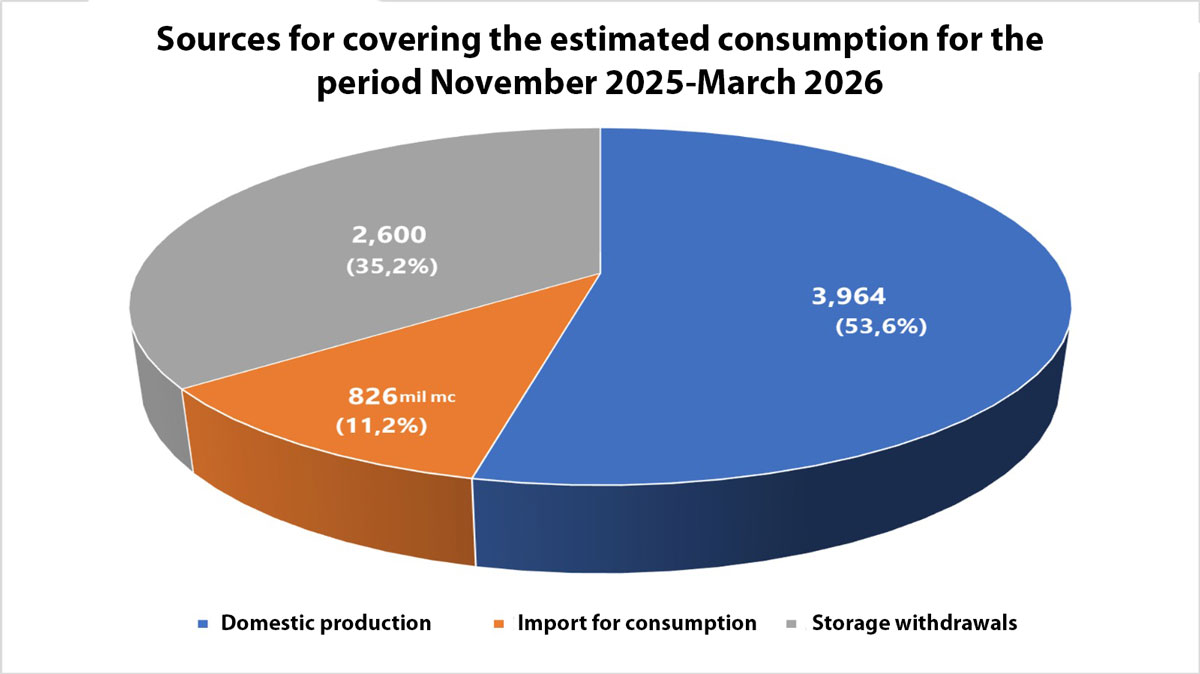
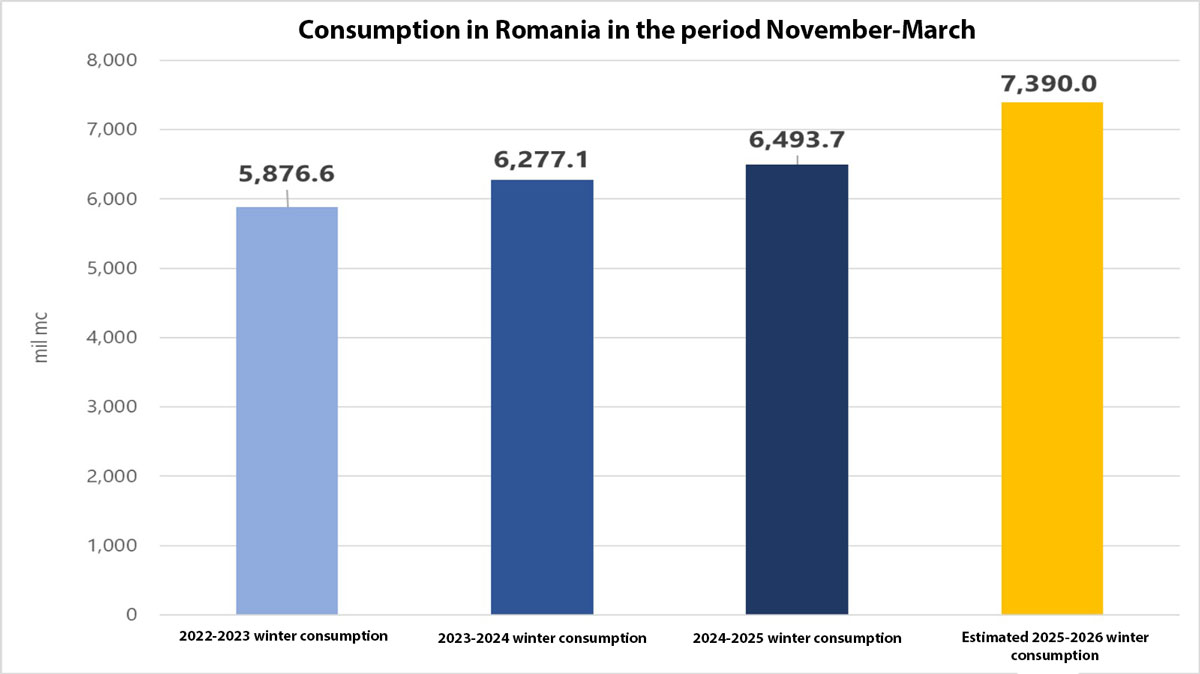
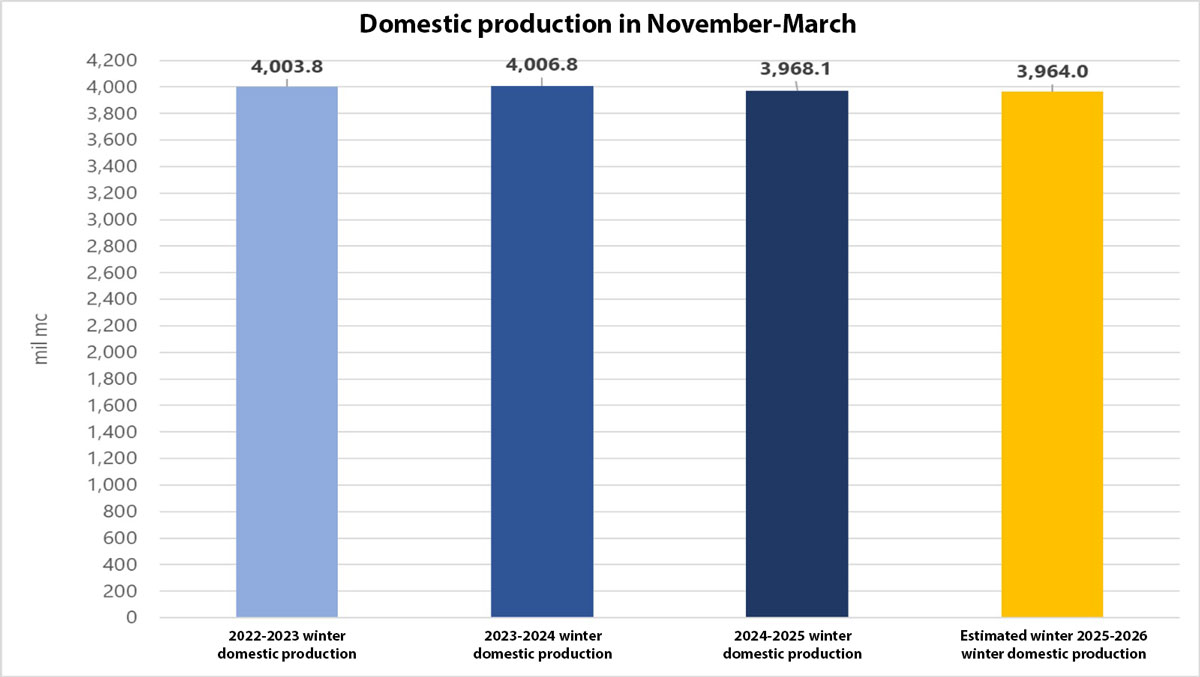
The current filling rate of gas storage facilities in Romania is 57.73%, compared to the EU average of 60.63%. “By the end of the injection period, Romania will fill its gas storage facilities to 100% capacity, especially since consumption is expected to exceed 7bcm between November 1, 2025, and March 31, 2026, which is almost 1bcm more than in the same period last year,” Transgaz CEO mentioned.
Storage facilities cover 30% of winter consumption
Gas-storage facilities provide for 30% of the Union’s gas consumption during winter months. The EU’s energy security has been a critical concern in recent years, not least in light of its dependence on non-EU countries for primary energy supplies.
The 2022 energy crisis, exacerbated by Russia’s full-scale invasion of Ukraine and the subsequent weaponization of gas supplies, highlighted the urgent need for additional measures to ensure stable and affordable energy supplies.
Options to finance gas stocks
Currently, however, there is no EU fund dedicated exclusively to the direct purchase of natural gas by Member States.
The European Union does not pay for gas on behalf of the states, but there are several financial instruments and indirect mechanisms that can support this purchase, especially in the context of the energy crisis.
Thus, the financing options for natural gas are:
- Joint Gas Procurement Mechanism
- It does not provide money but allows Member States and companies to buy natural gas together, obtaining better prices and access to larger volumes.
- This does not mean that the EU pays for the gas, but it helps with collective price negotiations.
- It is useful for countries with less bargaining power, like Romania.
- Modernization Fund
- It is funded from the sale of ETS allowances.
- Romania is an important beneficiary.
- Although it is focused on green transition (renovations, renewable energy, efficiency), it can be used indirectly to finance gas storage or distribution infrastructure, if linked to energy security.
- REPowerEU
- It was launched after the invasion of Ukraine to reduce dependence on Russian gas.
- Includes a component to diversify sources of supply and improve infrastructure.
- It can be used for: LNG terminal development; cross-border interconnections; storage capacity.
- It does not pay for the actual purchase of gas but enables the financing of infrastructure that reduces costs and vulnerabilities.
- InvestEU and EIB (European Investment Bank) loans
- Support strategic projects through guarantees, loans and co-financing.
- For natural gas, the EIB is more reluctant, but accepts energy security projects, especially if accompanied by green transition plans.
- The state or companies can get preferential loans for acquisitions or network development.
What doesn’t exist (yet)
- There is no EU fund to transfer money directly to countries to buy gas on the market.
- The EU does not settle gas purchases.
- There is no centrally managed European strategic gas reserve (as there is for vaccines, for example), although the idea has been discussed.
Between the lines
The European Union relies heavily on gas imports, with 90% of its supply coming from outside the EU. In 2024, Norway, Algeria and Russia were the top three suppliers of natural gas to the EU.
The EU is actively working to reduce its dependence on Russian gas, aiming to end imports under new contracts by the end of 2025 and from all sources by the end of 2027.