
Energy Transformation: From Capacity Expansion to System Integration

Recent geopolitical events, including the conflicts in Ukraine and the Middle East, have moved the global energy focus from sustainability to the more urgent pursuit of energy security and resilience.
This has paradoxically accelerated the push for solutions that also serve long-term sustainability goals, primarily through the expansion of local renewable energy generation to reduce dependence on imported fossil fuels.
At the same time, EU’s energy transition and digital transformation have entered a decisive execution phase, where renewable energy is becoming the backbone of the system and AI is increasingly embedded across critical infrastructure.
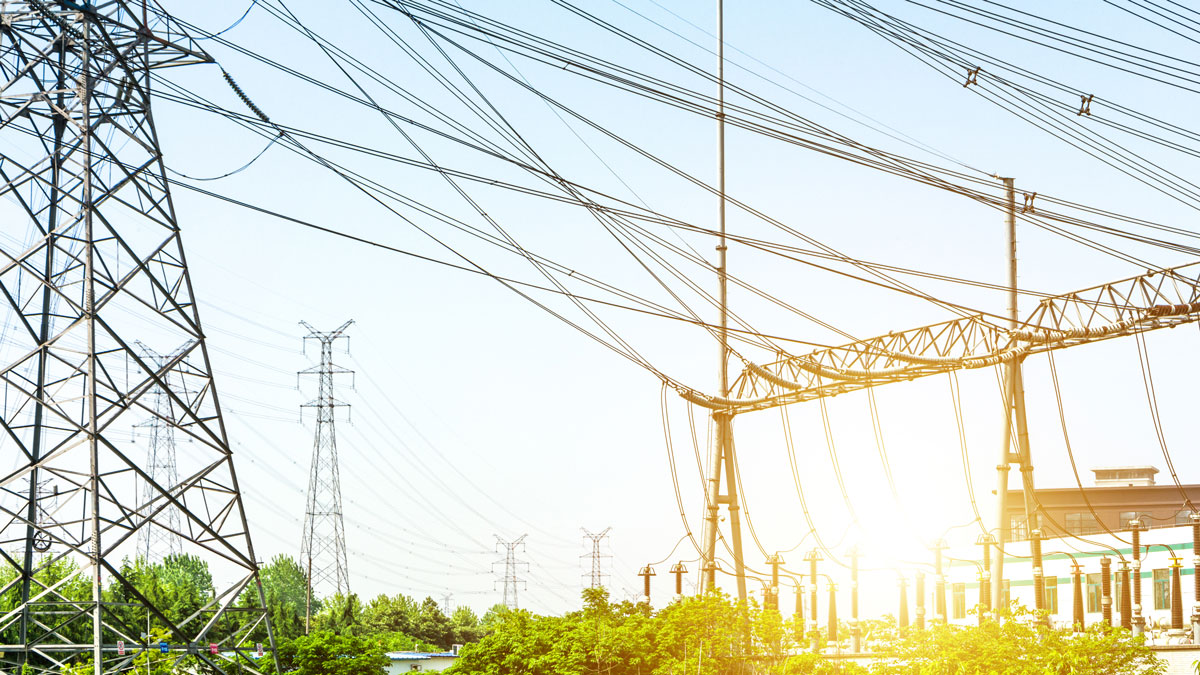
The primary bottleneck in the energy transition has shifted from generation capacity to infrastructure, with grid limitations, permitting delays, and system integration challenges becoming the key constraints.
A massive increase in requests for grid connections from renewable energy sources and battery energy storage systems is overwhelming existing grid infrastructure, making grid congestion a primary constraint on the pace of the energy transition.
At the same time, value creation in the renewable energy industry is no longer determined solely by installed generation capacity but by the ability to integrate multiple technologies, manage intermittency, and ensure reliable energy delivery.
Renewable energy deployment is increasingly linked to competitiveness, financial sustainability, and system integration, while hybrid renewable projects combining solar PV, wind generation, and battery storage are becoming a preferred development model.
In parallel, nuclear energy is re-emerging as a strategic asset, driven by rising electricity demand from AI and digital infrastructure, increasing energy security concerns, and the development of small modular reactors (SMRs).
Nuclear energy is increasingly positioned as a complement to intermittent renewables, particularly in markets where policy frameworks and execution capabilities are aligned. Across major economies, the question is no longer whether nuclear has a role, but how quickly can it be deployed alongside renewables to support system stability. In Europe, while many countries are exploring SMRs, only a limited number have progressed beyond policy intent into structured development.
The exponential growth of data centers, fueled by the AI boom, is creating an unprecedented surge in energy demand, putting additional pressure on already constrained energy systems.
To manage the growing complexity of a decentralized grid with intermittent renewables, digitalization and AI are becoming crucial, optimizing energy forecasting, grid management, and the efficiency of energy consumption.




Implications for Organizations
The energy paradigm shifts from a centralized, predictable system to a decentralized, volatile, and highly complex one.
This is no longer a peripheral concern but a central strategic challenge, as organizations face risks of volatile energy costs, supply interruptions, and stranded assets if they fail to adapt.
At the same time, this disruption creates opportunities for innovation, new business models such as local energy communities and prosumers, and significant competitive advantages for early adopters.
The EU AI Act introduces a comprehensive regulatory framework, making governance, compliance, and responsible deployment of AI central to strategic decision-making in the energy sector.
Organizations must integrate legal, technical, and business capabilities to ensure that AI systems are trustworthy, auditable, and aligned with regulatory expectations.
In addition, regulatory frameworks, electricity market design, and permitting timelines are playing an increasingly important role in shaping investment decisions and financing conditions.
Opportunities are also forming across nuclear value chains, including project development, supply chains, digital integration, and financing structures, although execution risk remains high due to regulatory complexity and capital intensity.
Importantly, digital technologies are beginning to reshape nuclear economics. AI-driven simulation, predictive maintenance, and system optimization have the potential to reduce uncertainty—historically the largest cost driver in nuclear projects.
Overall, both renewable energy and digital transformation are moving from a phase of innovation and experimentation to one of execution at scale, bringing increased complexity, greater reliance on infrastructure, and a growing need for advanced data and AI capabilities.
Implications for Leadership
For leadership, the ongoing transformation requires a shift in decision-making and strategic orientation.
Leaders need to navigate a landscape where technological, regulatory, and geopolitical factors intersect, requiring a more integrated and forward-looking approach.
Nuclear energy, in particular, sits at the intersection of energy security, industrial policy, and digital competitiveness, requiring long-term capital commitments and alignment across regulatory strategy, financing, and stakeholder management. From a capital standpoint, the signal is clear: nuclear is moving back into the investable universe, but selectively.
The future energy system will be digital, data-driven, and AI-enabled, requiring leadership teams to integrate renewable energy strategies with advanced AI capabilities while ensuring compliance with evolving regulatory frameworks.
In addition, leadership will increase the ability to manage system complexity, align long-term strategy with evolving regulatory frameworks, and build organizations capable of continuous adaptation.
The transition towards full lifecycle management, including repowering strategies, recycling capacity, and circular economy principles, further highlights the need for long-term thinking and integrated strategic planning.
This article is based on insights developed within the “Trending Industry Insights” initiative by the members of the WU Executive Academy (EA) International Advisory Board and powered by the WU EA.
WU EA is part of Vienna University of Economics and Business (WU Vienna), one of Europe’s leading business schools. It offers a wide range of executive education programs, including Executive MBAs and specialized master programs, designed to support professionals and organizations in a rapidly changing business environment.
WU EA International Advisory Board: International Advisory Board | WU Executive Academy International Advisory Board | WU Executive Academy
WU Executive Academy: Executive Education | MBA & Law | WU Executive Academy Executive Education | MBA & Law | WU Executive Academy
Bucharest Executive MBA: Bucharest Executive MBA | Romania, Austria & US/Asia | WU Executive Academy Bucharest Executive MBA | Romania, Austria & US/Asia | WU Executive Academy
Authors:
Xiaoping Li – Energy Strategy|Nuclear Energy, WU Executive Academy
Roxana Gureanu – Strategic Finance|Renewable Energy, WU Executive Academy
Christian Diendorfer – Energy Systems|Infrastructure, WU Executive Academy
Tamara Kosi – EU Regulatory Law|Energy Governance, WU Executive Academy