
Carlyle Group Ready to Take Over Lukoil Assets
Implications for Romania

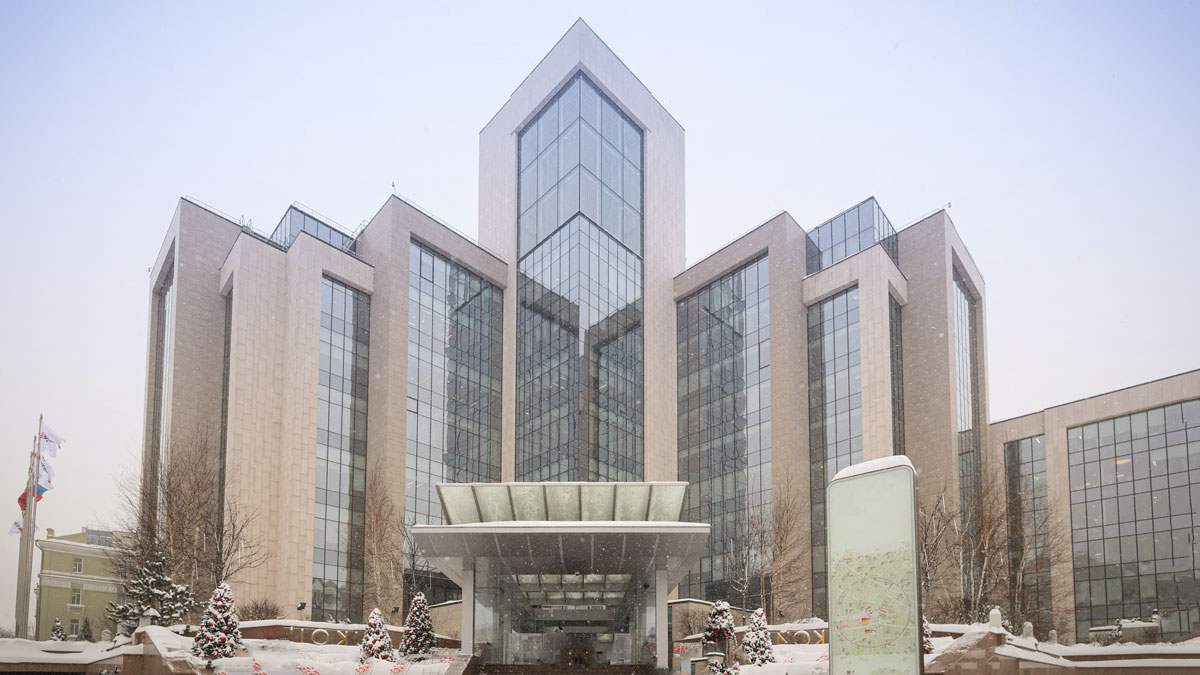
At the end of January, Russian oil company Lukoil signed an agreement with US investment firm Carlyle Group to sell its international assets. The transaction does not include operations in Kazakhstan, which will remain owned by the Lukoil Group and will continue to operate under the relevant licenses.
The agreement is subject to regulatory approvals, including authorization from the US Treasury’s Office of Foreign Assets Control (OFAC). The company is also continuing negotiations with other potential buyers.
Lukoil International is offered for sale because of restrictive measures imposed by some countries on the company and its subsidiaries. This takeover by the American investment fund will also have a direct impact on Romania.
“Carlyle’s approach to Lukoil International would be on ensuring operational continuity, preserving jobs, stabilizing the asset base and supporting safe, reliable performance across the portfolio by bringing to bear dedicated oversight and international operating capabilities,” Carlyle said in a statement, according to international press.
In fact, Lukoil, which announced the signing of the preliminary agreement in a press release, stated that it would continue negotiations with other potential buyers.
“The Company informs that it signed agreement with US investment company Carlyle on sale of LUKOIL International GmbH (100% subsidiary of PJSC ‘LUKOIL’ which owns international assets of LUKOIL Group). The transaction does not include the assets in Kazakhstan which will remain to be owned by LUKOIL Group and continue their operations under respective license.
The agreement signed is not exclusive for the Company and is subject to some conditions precedent such as procurement of necessary regulatory approvals including permission of the US Department of the Treasury’s Office of Foreign Assets Control (OFAC) for the transaction with Carlyle.
The Company also continues negotiations with other potential purchasers.
LUKOIL International GmbH is on sale owing to restrictive measures introduced by some countries against the Company and its subsidiaries.”
Neither Lukoil nor Carlyle has offered a price for the sale, which requires at least the approval of the Office of Foreign Assets Control, the US agency that administers sanctions imposed on Lukoil. US sanctions against Lukoil took effect on November 21, 2025.
US investment fund Carlyle, through its Black Sea Oil and Gas (BSOG) company, is already extracting natural gas from the Black Sea. Currently, BSOG is the third largest gas producer in Romania, with a 10% share of total national production.


By acquiring Lukoil’s assets, the American company Carlyle also takes control of the Trident block in the Black Sea, which is currently 87% owned by Lukoil and 13% by Romgaz. Gas reserves here are estimated at 30 billion cubic meters, but no investment decision has yet been made.
The Petrotel Ploiesti refinery, owned by Lukoil, has been closed since November 2025 for overhaul, but has not been opened until today. Petrotel Lukoil, the refinery operator, reported a net profit of RON 2.58 million in 2024, down from RON 62.84 million in 2023.
With a processing capacity of 2.4-2.5 million tons of crude oil per year, the Petrotel Lukoil refinery provides about 20% of Romania’s fuel needs, when operating at full capacity.
As for the assets in Romania, the Carlyle Group is likely to seek buyers for the network of filling stations and the refinery, as a package or separately. The network has 320 stations and there is interest in buying it.
Carlyle is a global investment firm with deep industry expertise that deploys private capital across three business segments: Global Private Equity, Global Credit, and Carlyle AlpInvest. With USD 474 billion of assets under management as of September 30, 2025, Carlyle’s purpose is to invest wisely and create value on behalf of its investors, portfolio companies, and the communities in which they live and invest. Carlyle employs more than 2,400 people in 27 offices across four continents.